10+
10+


1
/
of
4
Tropical Carnivorous Plant Seeds – Carnivorous Plant Seeds for Home Gardens
Tropical Carnivorous Plant Seeds – Carnivorous Plant Seeds for Home Gardens
Quantity
Couldn't load pickup availability
SALE
Easter Garden Event Use Code: BASKET
Save 10% on $50+, 15% on $70+, or 20% on $100+
Description
Description
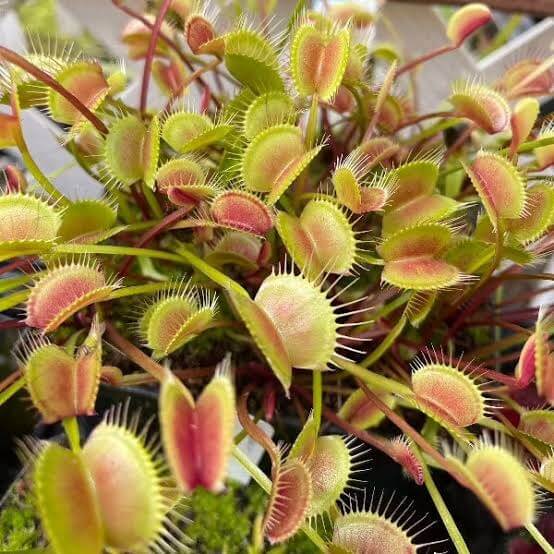
Tropical Carnivorous Plant Seeds are a collection of seeds from warm-climate carnivorous plant species, including types such as tropical sundews (Drosera) and pitcher plants (Nepenthes). These plants are valued for their unique foliage structures, specialized trapping leaves, and tropical growth habits. They are commonly grown in terrariums, greenhouses, humid indoor environments, and specialty plant collections. Tropical carnivorous plants perform best in warm, humid conditions with bright filtered light and acidic, nutrient-poor growing media.
Features
- Collection of tropical carnivorous plant seeds with varied species characteristics
- Produces unique trapping structures including pitchers and gland-covered leaves
- Suitable for terrariums, greenhouses, and tropical plant collections
- Adapted to warm and humid growing environments
- Requires acidic, nutrient-poor growing media
- Performs best in bright indirect light
Specifications
- Scientific Name: Nepenthes spp., Drosera spp., and other tropical carnivorous species
- Common Name (US): Tropical Carnivorous Plant Mix
- Seed Type / Variety: Carnivorous Plant Seed Mix
- Growth Habit: Varies by species; rosette or climbing vine
- USDA Zones: 9–12 (varies by species)
- Planting Season: Spring
- Growing Season: Year-round in suitable tropical conditions
- Sowing Season: Spring
- Sowing Season Months: March–May
- Germination: 14 days to several months; varies by species
- Sunlight Requirements: Bright Indirect Light to Partial Sun
- Soil Requirements: Acidic, nutrient-poor mix such as sphagnum moss, peat, sand, and perlite
- Watering Needs: Keep growing media consistently moist using distilled or rain water
- Mature Plant Size: Varies by species
- Plant Spacing: Varies by species, generally 4–24 in apart