10+
10+


Sub-Tropical Sundew Mix Seeds – Carnivorous Plant Seeds for Home Gardens
Sub-Tropical Sundew Mix Seeds – Carnivorous Plant Seeds for Home Gardens
Couldn't load pickup availability
Easter Garden Event Use Code: BASKET
Save 10% on $50+, 15% on $70+, or 20% on $100+
Description
Description
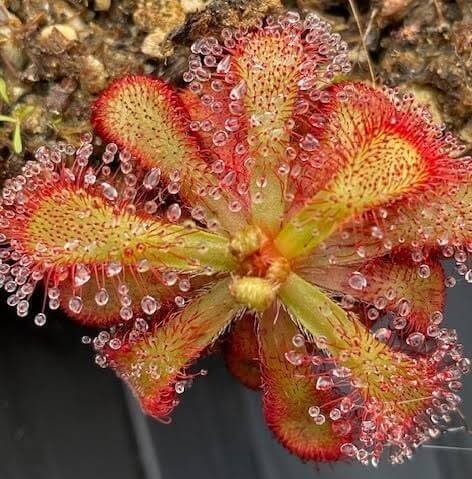
Sub-Tropical Sundew Mix Seeds produce a selection of carnivorous sundew plants adapted to warm and humid growing conditions. These perennial plants are valued for their rosette or upright growth habits, delicate foliage, and specialized leaves with glandular structures. They are commonly grown in carnivorous plant collections, terrariums, bog gardens, and specialized containers. The plants perform best in bright light with acidic, nutrient-poor, consistently moist growing media. Suitable for warm climate plant collections, Sub-Tropical Sundew Mix provides diverse forms and textures for carnivorous plant displays.
Features
- Mixed selection of subtropical sundew species with varied growth habits
- Produces unique carnivorous foliage structures
- Suitable for terrariums, bog gardens, and plant collections
- Requires acidic, nutrient-poor growing media
- Performs well in bright light to full sun conditions
- Suitable for warm and humid growing environments
Specifications
- Scientific Name: Drosera spp.
- Common Name (US): Sundew, Sub-Tropical Sundew Mix
- Seed Type / Variety: Carnivorous Plant Seed Mix
- Growth Habit: Rosette or upright perennial (varies by species)
- USDA Zones: 8–11 (varies by species)
- Planting Season: Spring
- Growing Season: Spring to Fall
- Sowing Season: Winter to Spring
- Sowing Season Months: December–April
- Germination: 14–90 days; requirements vary by species and may include stratification
- Sunlight Requirements: Bright Light to Full Sun
- Soil Requirements: Acidic, nutrient-poor mix (sphagnum peat and silica sand)
- Watering Needs: High; keep growing media consistently moist using distilled or rain water
- Mature Plant Size: 2–12 in tall, depending on species
- Plant Spacing: 3–8 in apart