10+
10+


1
/
of
4
Rubus fruticosus Seeds - Fruit Plant
Rubus fruticosus Seeds - Fruit Plant
Quantity
Couldn't load pickup availability
SALE
Easter Garden Event Use Code: BASKET
Save 10% on $50+, 15% on $70+, or 20% on $100+
Description
Description
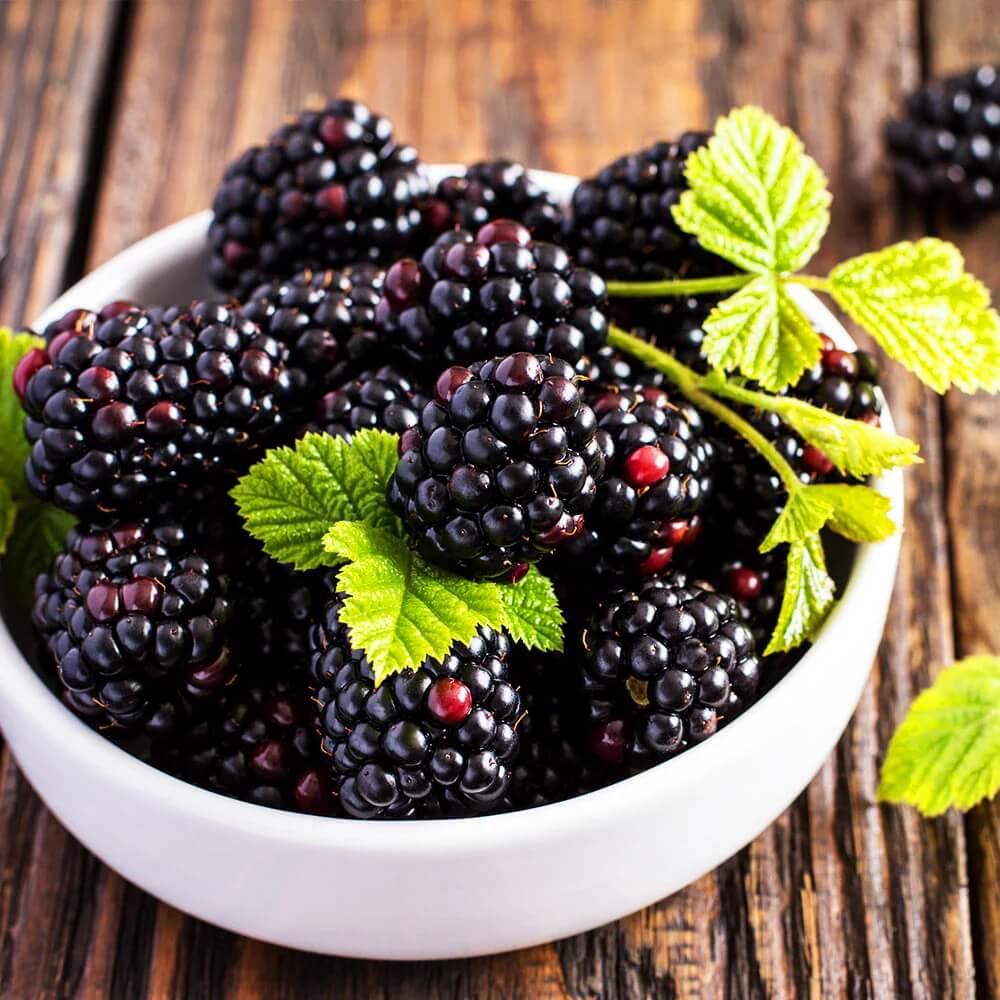
Rubus fruticosus, commonly known as Common Blackberry, is a hardy deciduous perennial shrub prized for its sweet, juicy black berries and vigorous growth. Producing abundant fruit from mid to late summer, this versatile berry plant is ideal for fresh eating, baking, jams, jellies, syrups, smoothies, and freezing. Its fragrant white to pale pink spring flowers attract bees and other beneficial pollinators, making it an excellent choice for home orchards, edible landscapes, hedgerows, and wildlife gardens.
Features
- Produces sweet, juicy blackberries with rich flavor
- Excellent for fresh eating, baking, jams, jellies, and freezing
- Vigorous, productive perennial shrub
- Fragrant spring flowers attract bees and pollinators
- Ideal for home orchards, edible landscapes, and hedgerows
- Hardy and easy to grow in a range of climates
- Provides valuable food and shelter for wildlife
Specifications
- Scientific Name: Rubus fruticosus
- Common Name (US): Common Blackberry / European Blackberry
- Seed Type / Variety: Heirloom Fruiting Berry Variety
- Growth Habit: Deciduous perennial shrub with arching or trailing canes
- USDA Zones: 5–9
- Planting Season: Spring or Fall
- Growing Season: Spring through Summer
- Sowing Season: Fall or early Spring
- Germination Time and Conditions: 60–120 days or longer; seeds germinate best after warm stratification followed by 60–90 days of cold stratification at 34–41°F (1–5°C). Keep the growing medium consistently moist throughout germination.
- Sunlight Requirements: Full sun
- Soil Requirements: Fertile, well-drained loamy soil rich in organic matter with a pH of 5.5–6.5
- Watering Needs: Moderate; keep soil evenly moist during establishment, flowering, and fruit development
- Mature Plant Size: 4–10 feet tall, 3–8 feet spread
- Plant Spacing: 4–6 feet apart