10+
10+


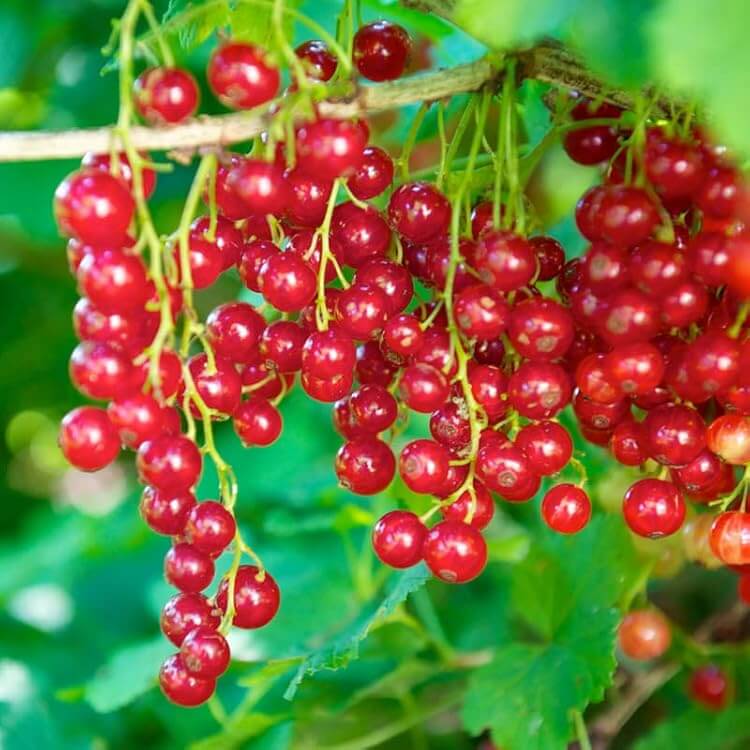
Red currant, botanically known as Ribes rubrum, is a deciduous shrub widely grown in temperate regions for its compact growth and adaptability to cooler climates. It develops an upright, bushy form with lobed leaves and produces clusters of small, translucent red berries during the growing season. The plant prefers well-drained, fertile soils with consistent moisture and performs best in full sun to partial shade. Red currant plants require a period of winter chill for proper growth and seed germination, making them suitable for cooler environments. Seeds typically need cold stratification before sowing, and plants establish gradually, forming productive shrubs over time.
Features
- Deciduous shrub with compact, multi-stem growth
- Produces clusters of small red berries
- Adapted to cool and temperate climates
- Suitable for garden beds, hedges, and small orchards
- Requires cold stratification for germination
Specifications
- Scientific name: Ribes rubrum
- Common name (US): Red Currant
- Seed type / variety: Standard variety
- Growth habit: Upright, bushy deciduous shrub
- USDA zones: 3-8
- Planting season: Fall to early spring
- Growing season: Spring to summer
-
Sowing Season:
- Fall: October to December
- Early Spring: February to March
- Germination time and conditions: 2-4 months cold stratification at 1-5°C
- Sunlight requirements: Full sun to partial shade
- Soil requirements: Well-drained, fertile loamy soil
- Watering needs: Moderate, consistent moisture
- Mature plant size: 1-1.5 meters height, 1-1.5 meters spread
- Plant spacing: 1-1.5 meters between plants