 10+


Heirloom Vegetable Seeds Variety Pack – 35 Garden Seed Packets
Heirloom Vegetable Seeds Variety Pack – 35 Garden Seed Packets
Couldn't load pickup availability
Free Shipping
Usa Only
Safe & Secure
Payments
24/7 Customer
Support
Description
Description
Heirloom Vegetable Seeds Variety Pack
35 Garden Seed Packets for Home Gardening
Heirloom Vegetable Seeds Variety Pack
Explore a diverse collection of 35 vegetable seed varieties for growing a productive home garden. This collection includes leafy greens, root vegetables, herbs, beans, tomatoes, peppers, squash and other garden favorites. Grow fresh vegetables in backyard gardens, raised beds and suitable containers while exploring different planting seasons throughout the year.
Product Overview
This vegetable seed collection brings together a variety of vegetables suitable for different home gardening projects. From leafy greens and root crops to warm-season vegetables, the assortment offers options for planning a varied garden.
The collection contains different vegetable types with individual planting, spacing and harvesting requirements. Always check the instructions for each seed variety.
35 Vegetable Varieties Included
Explore all 35 vegetable and herb varieties included in this seed collection.
Collection 01
- Basil - Genovese
- Bean - Lima Henderson
- Bean - Bush
- Beet - Detroit Dark Red
- Broccoli - Waltham
- Brussels Sprouts
- Cabbage - Golden Acre
- Cantaloupe - Hales Best Jumbo
- Carrot - Scarlet Nantes
- Cauliflower - Snowball Y Improved
- Celery - UT 52-70
- Corn - Early Bantam
Collection 02
- Cucumber - Marketmore
- Eggplant - Black Beauty
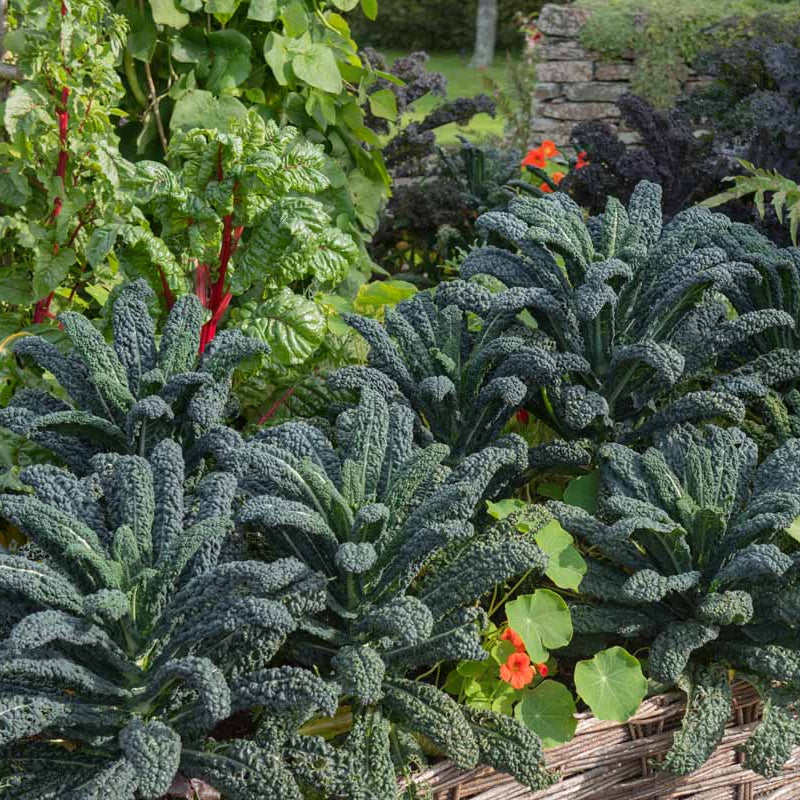
- Kale - Vates Blue Scotch Curled
- Kohlrabi - Purple Vienna
- Lettuce - Parris Island Romaine
- Lettuce - Black Seeded Simpson
- Lettuce - Buttercrunch
- Okra - Clemson Spineless
- Onion - Tokyo Long White Bunching
- Parsnip - Harris Model
- Pea - Sugar Daddy Snap
- Bell Pepper - Sweet California Wonder
Collection 03
- Pumpkin - Sugar Pie
- Radish - Cherry Belle
- Radish - French Breakfast
- Spinach - Bloomsdale
- Swiss Chard - Fordhook Giant
- Tomato - Roma VF
- Tomato - Large Cherry
- Turnip - Purple Top White Globe
- Watermelon - Sugar Baby
- Winter Squash - Waltham Butternut
- Zucchini - Black Beauty
The collection includes leafy greens, root vegetables, beans, herbs, tomatoes, melons and several types of summer and winter squash.
Complete Growing Specifications
Growing conditions differ across the 35 varieties. The following specifications provide general guidance for planning your vegetable garden.
| Product Type | Vegetable Seed Variety Pack |
|---|---|
| Total Varieties | 35 Vegetable and Herb Varieties |
| Number of Packets | 35 Seed Packets |
| Plant Categories | Leafy Greens, Root Vegetables, Legumes, Herbs and Fruiting Vegetables |
| USDA Zones | Varies by vegetable and local growing conditions |
| Planting Season | Spring, Summer or Fall, depending on variety |
| Growing Season | Cool-season and Warm-season |
| Sunlight | Generally 6–8 hours of sunlight for fruiting crops; some leafy crops tolerate partial shade |
| Soil Type | Fertile, well-drained soil suited to each crop |
| Soil pH | Generally around 6.0–7.0, depending on crop |
| Watering | Regular watering; keep soil appropriately moist |
| Plant Height | Varies by vegetable, variety and growing conditions |
| Growth Habit | Bush, Upright, Compact and Vining |
| Germination Time | Varies by seed type, temperature and moisture |
| Days to Maturity | Varies by vegetable and growing conditions |
| Growing Location | Garden Beds, Raised Beds and Suitable Containers |
| Harvesting | According to the maturity and harvest characteristics of each crop |
USDA Zones and Growing Seasons
The 35 varieties include vegetables suited to different temperature ranges and planting seasons. Check your local frost dates and seed packet instructions before planting.
Cool-Season Vegetables
Many cool-season vegetables grow well during mild spring and fall weather.
Broccoli, Brussels Sprouts, Cabbage, Carrot, Kale, Lettuce, Peas, Radish, Spinach and Turnip.Warm-Season Vegetables
Warm-season crops generally need warmer soil and protection from frost.
Beans, Cantaloupe, Corn, Cucumber, Eggplant, Okra, Peppers, Pumpkin, Tomato, Watermelon and Zucchini.Herbs and Flexible Garden Crops
Some herbs and vegetables can be grown during different parts of the growing season.
Genovese Basil, Swiss Chard and selected root vegetables.USDA Hardiness Zone Guidance
USDA Hardiness Zones describe average annual extreme minimum winter temperatures. They are useful for understanding perennial plant survival, but annual vegetable planting schedules also depend on frost dates, soil temperature and local climate.
Use your local USDA zone and last spring frost date to plan planting times. Warm-season vegetables should generally be planted after frost danger has passed. Cool-season vegetables can often be planted earlier or again in fall.
Planting Instructions
Follow these general steps to prepare your garden and give your vegetable seeds suitable conditions for germination and early growth.
Prepare the Soil
Choose a sunny growing location with fertile, well-drained soil. Remove weeds and loosen the planting area before sowing.
Choose the Right Planting Season
Identify whether each vegetable is a cool-season or warm-season crop. Plan planting around local frost dates and soil temperatures.
Sow Seeds at the Correct Depth
Follow the individual seed packet instructions for sowing depth, spacing and whether seeds should be started indoors or outdoors.
Water the Planting Area
Water gently after sowing. Keep the soil appropriately moist during germination without allowing it to become waterlogged.
Thin and Space Seedlings
Once seedlings emerge, thin crowded plants according to the recommended spacing for each vegetable.
Monitor Plant Growth
Provide suitable sunlight, water and care. Watch for weeds and garden pests as plants develop.
Plant Care Guide
Consistent care helps vegetable plants establish healthy roots, develop foliage and produce harvests. Adjust care according to each crop.
Sunlight
Choose a location with suitable sunlight. Fruiting vegetables generally need full sun, while some leafy greens tolerate partial shade.
Watering
Water regularly according to weather and soil conditions. Avoid letting roots remain in waterlogged soil.
Soil and Nutrition
Use fertile, well-drained soil. Add mature compost and provide balanced nutrients according to crop requirements.
Weed Control
Remove weeds regularly to reduce competition for water, nutrients and growing space.
Pest Monitoring
Check leaves and stems regularly for insects and signs of damage. Use suitable garden management practices when needed.
Harvesting
Harvest each vegetable at its appropriate maturity stage. Check individual crop characteristics for harvest timing.
Benefits of Growing This Collection
A varied vegetable seed collection gives home gardeners different options for planning and developing their own vegetable-growing spaces.
Discover a range of vegetables and an herb for different garden preferences.
Combine leafy greens, root vegetables, legumes and fruiting crops.
Plan suitable crops for spring, summer and fall gardening.
Grow appropriate varieties in backyard plots, raised beds and suitable containers.
Grow vegetables for fresh meals, home cooking and seasonal harvesting.
Related Vegetable Seed Keywords
These related search phrases describe the vegetable seed collection and common home gardening interests.
Frequently Asked Questions
What vegetables are included in this 35-packet seed collection? +
This collection includes 35 varieties such as basil, beans, beets, broccoli, cabbage, carrots, cucumbers, lettuce, peppers, tomatoes, pumpkins, radishes, spinach, watermelon and zucchini, along with other vegetable garden favorites.
Can these vegetable seeds be planted in a home garden or raised bed? +
Many of these varieties can be grown in backyard vegetable gardens and raised beds. Some compact crops may also grow in suitable containers. Check the spacing and growing requirements for each individual variety.
When is the best time to plant these vegetable seeds? +
Planting times vary by vegetable. Cool-season crops are commonly planted in spring or fall, while warm-season crops are generally planted after the last spring frost. Follow local planting calendars and seed packet instructions.
How should I store unused vegetable seeds? +
Store unused seeds in their labeled packets inside a cool, dry and dark location. Keep them protected from moisture, heat and direct sunlight. Follow any storage instructions provided with the individual packets.
Every garden begins with a seed.
Share



Heirloom Vegetable Seeds Variety Pack – 35 Garden Seed Packets
$49.00