10+
10+


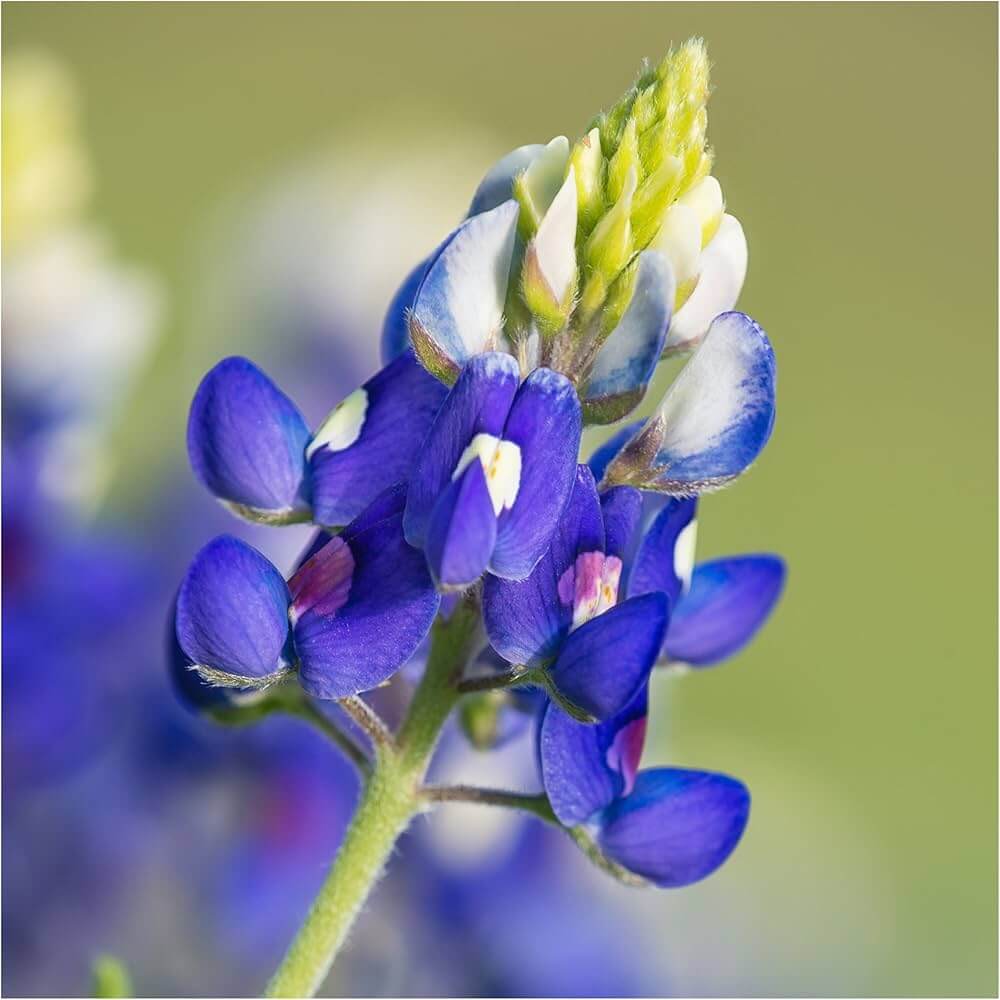
Bluebonnet, botanically known as Lupinus texensis, is a cool-season annual plant valued for its upright growth and dense flower spikes. It develops slender stems with palmate leaves and produces spikes of blue, pea-like flowers during the spring season. This plant adapts well to temperate climates and performs best in full sun with well-drained soil. Bluebonnet is commonly used in meadows, borders, and naturalized planting, where it establishes readily from seeds and can reseed under suitable conditions. Seeds benefit from scarification to improve germination due to their hard seed coat.
Features
- Upright annual with slender growth habit
- Produces spikes of blue flowers
- Suitable for meadows, borders, and naturalized areas
- Adapted to sunny and well-drained conditions
- May reseed under favorable conditions
Specifications
- Scientific name: Lupinus texensis
- Common name (US): Bluebonnet
- Seed type / variety: Blue flowering variety
- Growth habit: Upright annual
- USDA zones: 4-9
- Planting season: Fall or early spring
- Growing season: Winter to spring
-
Sowing Season:
- Fall: September to November
- Early Spring: February to March
- Germination time and conditions: 1-3 weeks at 15-20°C; scarification recommended
- Sunlight requirements: Full sun
- Soil requirements: Well-drained soil, prefers sandy or slightly alkaline conditions
- Watering needs: Low to moderate once established
- Mature plant size: 30-60 cm height, 20-30 cm spread
- Plant spacing: 20-25 cm between plants