10+
10+


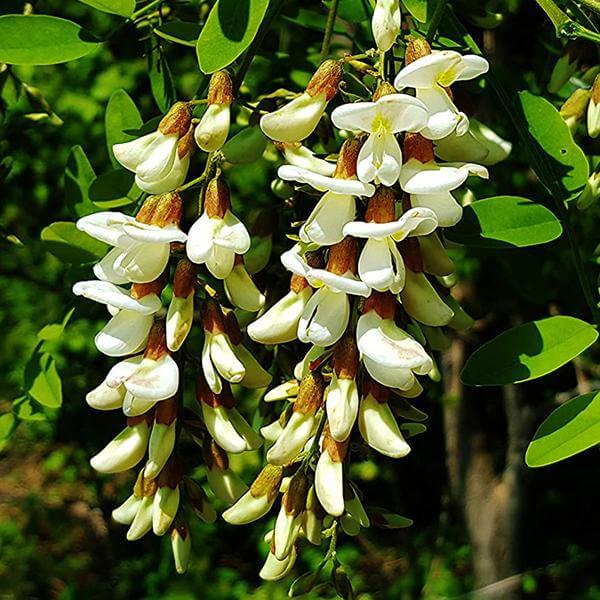
Black locust seeds produce deciduous, fast-growing trees with an upright growth habit and spreading canopy. These trees develop compound leaves and are well adapted to a wide range of climates. Black locust thrives in full sunlight and performs best in well-drained soils, including sandy or moderately poor soils. Known for its adaptability and resilience, it tolerates drought once established. Suitable for landscaping, windbreaks, and reforestation projects, the trees establish steadily and grow rapidly under favorable conditions.
Features
- Fast-growing deciduous tree with upright form
- Adaptable to a wide range of soil conditions
- Tolerates drought once established
- Suitable for landscaping, windbreaks, and restoration
- Performs best in full sun
Specifications
- Scientific Name: Robinia pseudoacacia
- Common Name (US): Black Locust
- Seed Type / Variety: Deciduous tree variety
- Growth Habit: Upright tree with spreading canopy
- USDA Zones: 4–9
- Planting Season: Spring or fall
- Growing Season: Spring to fall
- Sowing Season: February to April; September to October (mild climates)
- Germination Time and Conditions: 7–21 days at 18–25°C; benefits from scarification or soaking
- Sunlight Requirements: Full sun
- Soil Requirements: Well-drained sandy, loamy, or moderately poor soil
- Watering Needs: Low to moderate; drought-tolerant once established
- Mature Plant Size: 10–25 meters height; 6–12 meters spread
- Plant Spacing: 4–8 meters between trees