10+
10+


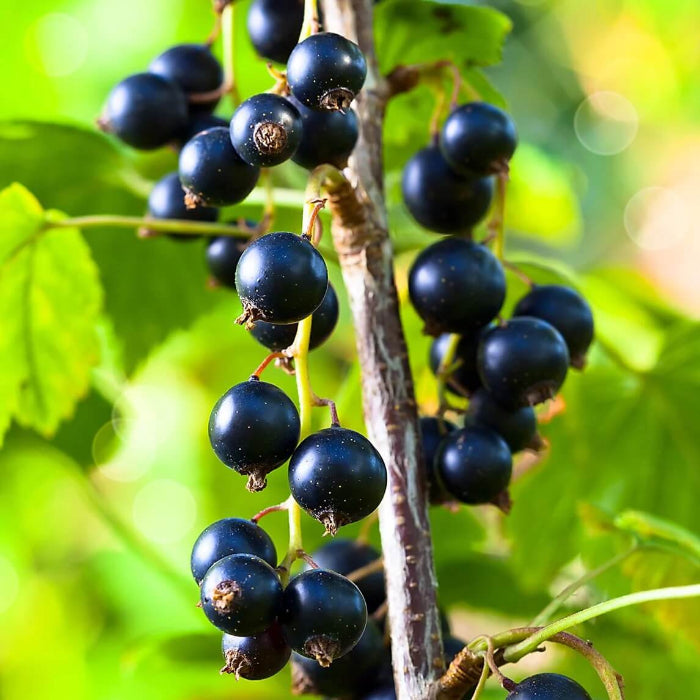
Black currant, botanically known as Ribes nigrum, is a deciduous shrub adapted to temperate climates and valued for its compact growth and seasonal fruiting habit. It develops multiple stems forming a bushy structure with lobed leaves and thrives in cool to moderate environments. This species prefers fertile, well-drained soils with consistent moisture and performs best in full sun to partial shade. Black currant plants are typically established from seeds with a required period of cold stratification, which helps break dormancy and improve germination. The plant is suitable for home gardens, hedges, and small-scale orchard systems where seasonal conditions support steady growth.
Features
- Deciduous shrub with compact, multi-stem growth
- Adapted to cool and temperate climates
- Suitable for garden beds, hedges, and small orchards
- Prefers fertile, moist, well-drained soils
- Requires cold stratification for seed germination
Specifications
- Scientific name: Ribes nigrum
- Common name (US): Black Currant
- Seed type / variety: Standard variety
- Growth habit: Bushy, deciduous shrub
- USDA zones: 3-8
- Planting season: Fall to early spring
- Growing season: Spring to summer
-
Sowing Season:
- Fall: October to December
- Early Spring: February to March
- Germination time and conditions: 2-3 months cold stratification at 1-5°C, then germination in warm conditions
- Sunlight requirements: Full sun to partial shade
- Soil requirements: Fertile, well-drained loamy soil, slightly acidic preferred
- Watering needs: Moderate, consistent moisture
- Mature plant size: 1-1.5 meters height, 1-1.5 meters spread
- Plant spacing: 1-1.5 meters between plants