10+
10+


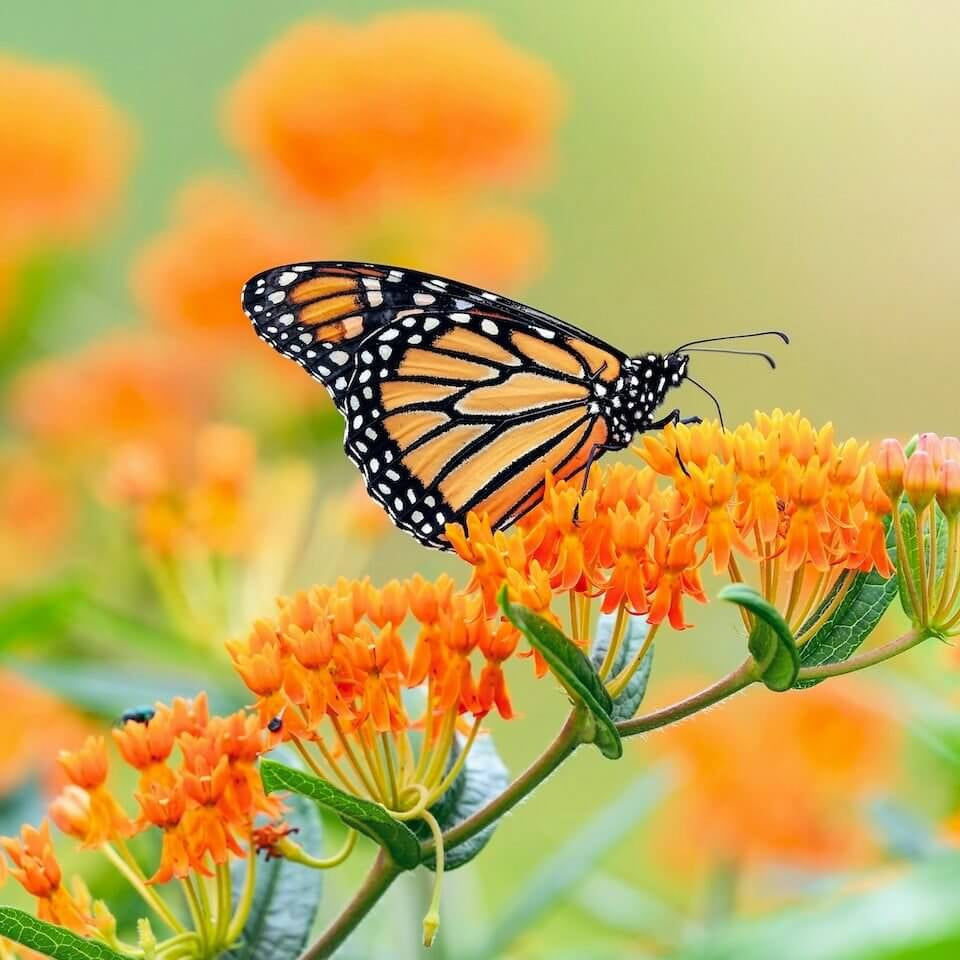
Asclepias, commonly known as milkweed, refers to a group of herbaceous plants valued for their upright growth and clustered flowers. These plants develop sturdy stems with elongated leaves and produce rounded clusters of small blooms in various colors depending on the species. Asclepias adapts well to temperate and warm climates and performs best in full sun with well-drained soil. It is commonly used in borders, naturalized planting, and open landscapes, where it establishes steadily from seeds under suitable conditions.
Features
- Herbaceous plant with upright, branching growth
- Produces clusters of small flowers in various colors
- Suitable for borders and naturalized planting
- Adapted to sunny and warm conditions
- Performs well in well-drained soils
Specifications
- Scientific name: Asclepias spp.
- Common name (US): Milkweed
- Seed type / variety: Mixed variety
- Growth habit: Upright perennial or annual (varies by species)
- USDA zones: 3-9 (varies by species)
- Planting season: Fall or early spring
- Growing season: Spring to summer
-
Sowing Season:
- Fall: September to November
- Early Spring: February to March
- Germination time and conditions: 2-4 weeks at 18-24°C; cold stratification may improve germination
- Sunlight requirements: Full sun
- Soil requirements: Well-drained soil, adaptable to various types
- Watering needs: Low to moderate once established
- Mature plant size: 30-150 cm height, 30-90 cm spread
- Plant spacing: 30-60 cm between plants